Foam mattresses are designed to provide targeted support and pressure relief, using viscoelastic or polyurethane foams that adapt to body contours. The density and firmness level influence contouring, motion isolation, and overall comfort for different sleeping positions. Understanding foam grades helps compare durability, temperature regulation, and resilience over time within the bedding category.
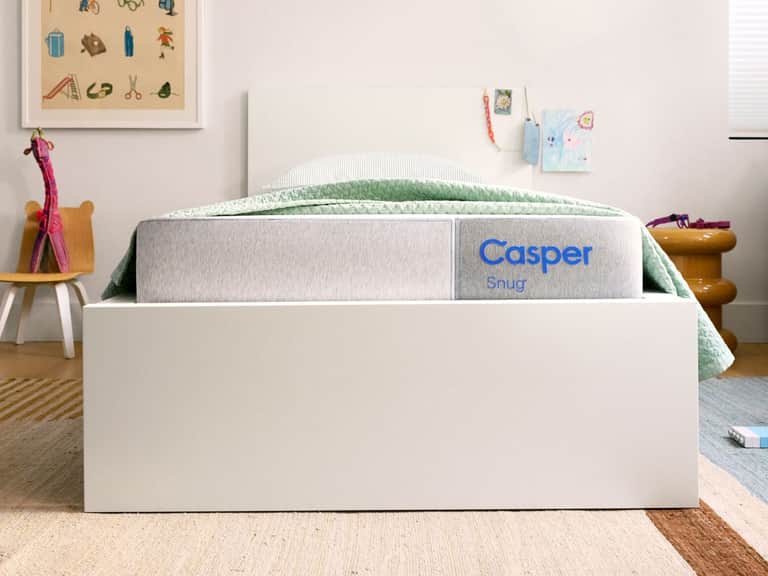
Within this category, Snug™ mattresses exemplify foam-based construction that balances support and conforming comfort. Key features often include a multi-layer foam stack, zoned support in critical areas, and breathable covers to aid airflow. These design elements contribute to alignment for the spine while reducing pressure on shoulders and hips.
Foam mattresses cater to various usability needs, including compatibility with adjustable beds and compatibility with latex and other foam systems. They are valued for providing consistent sleep surface at different weights, minimizing partner disturbance due to superior motion isolation, and offering lightweight installation or repositioning benefits in bedroom setups.
Important product considerations for foam mattresses include density, support layer configuration, and potential cooling technologies such as gel-infused or open-cell foams. Users often assess firmness ranges, edge support, and durability ratings to determine long-term comfort, as well as how the mattress interacts with bedding accessories like sheets and pillows.
Snug™ models illustrate how foam composition, cover materials, and engineering approaches combine to deliver reliable comfort across sleep metrics. By examining features, functional benefits, and compatibility with various sleeping environments, consumers can better evaluate a foam mattress’s suitability for everyday rest and long-term use within a holistic sleep system.
 Mattresses