In the quiet hours of night, the room around us becomes as influential as the bed itself. The sleep environment—its light, its sounds, its temperature—acts like an unsung conductor, guiding our bodies through cycles of rest and recovery. Over decades, scientists have mapped how modest adjustments yield meaningful gains in sleep quality. From the incandescent glow of a bedside lamp to the hum of distant traffic, every sensory cue can nudge our circadian rhythms toward wakefulness or toward the stillness of deep slumber.
This guide distills evidence-based strategies into practical steps you can apply today. We explore three core axes: lighting, sound, and temperature. Each axis is illuminated with real-world examples drawn from trusted brands that have earned their place in the sleep-conscious consumer space. In doing so, we aim to empower readers to curate environments that support judgment-free, restful nights.
Lighting: From Blue Light to Dim Horizons
Light is the primary zeitgeber that signals the body to wake or wind down. Exposure to blue wavelengths in the evening can delay melatonin production, nudging sleep onset later. Conversely, dim, warm lighting as night falls helps coax the body toward relaxation. The practical goal is a layered lighting plan: a gentle ambient glow for wind-down, task lighting for late-night reading, and near-complete darkness during sleep.
- Install dimmable fixtures in the bedroom or use smart bulbs that shift to warmer temperatures after sunset.
- Embrace blackout curtains or window liners to block outside light—city glow need not intrude on sleep quality.
- Consider bedside lamps with low-intensity bulbs and warm color temperatures to avoid stimulating the brain in the hour before bed.
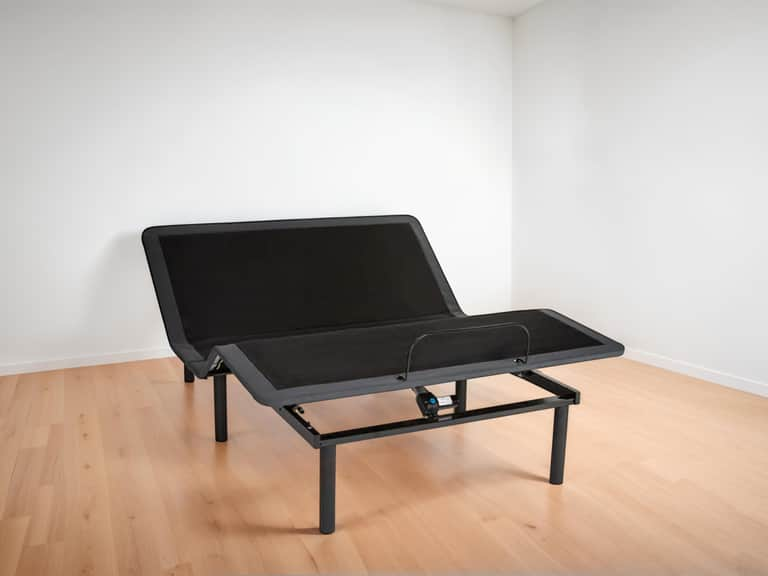
Brand-grounded notes offer concrete directions without veering into product promotion. Naturepedic, with its emphasis on breathable materials and sleep-friendly climates, provides cues for selecting textiles and bedding that stay cool when warmth lingers. Suite Sleep’s materials—organic cotton, breathable wools, and temperature-regulating fills—demonstrate how design choices can support a balanced microclimate around the sleeper. For those seeking a high-precision approach to positioning and comfort, a product like The Clean Bedroom Level 1 Adjustable Bed Base supports customizable head and foot elevations that can ease nighttime restlessness and aid in achieving neutral spinal alignment.
Sound: Reducing Noise Without Drowning the Room
Ambient noise—whether from traffic, appliances, or conversations—can fragment sleep architecture. The goal is not complete silence but a controlled acoustic environment. Evidence suggests that a combination of sound dampening and consistent, soft noise can promote sleep continuity for many sleepers. Practical steps include.
- Introduce soft, absorptive materials such as heavy curtains, wool blankets, and upholstered headboards to soften sound reflections.
- Use white noise or nature-sounding audio at low volumes to mask abrupt, disruptive sounds.
- Reorganize furniture layout to minimize line-of-sight and exposure to noisy corridors or streets.
In our ecosystem of trusted brands, Sleep and Beyond offers a suite of bedding that emphasizes natural materials which can influence acoustics subtly through texture and density. While accent lighting reshapes perception, the same attention to fabric weight and weave can affect how sound travels in a room. The goal is a calm auditory landscape that supports sustained, undisturbed slumber.
Temperature: The Thermal Canvas of Sleep
Human sleep thrives within a defined thermal window. The National Sleep Foundation and related guidelines point toward a bedroom temperature roughly between 60 and 67 degrees Fahrenheit (15.6–19.4 degrees Celsius) for optimal sleep. The challenge is to create a stable microclimate that adapts across seasons and individual preferences.
- Choose breathable bedding and natural fibers that move moisture away from the body, helping to prevent night sweats and chill.
- Layer coverings so you can adjust warmth without disrupting your core sleep environment; a light sheet paired with a wool or fiber fill can accommodate shifting temperatures.
- In hot climates, prioritize cooling technologies and fabrics that wick moisture and promote airflow near the skin.
In this space, products like Sleep and Beyond’s organic cotton sheets or percale sheet sets illustrate how fabric structure and fiber choice influence comfort at a physiological level. Wool-filled or wool-lined options from Suite Sleep exemplify how natural fibers can support temperature regulation across seasons. The Clean Bedroom offers an adjustable bed base that can tailor elevation, easing pressure points and potentially improving circulation, which also contributes to a more stable sleep temperature by reducing nocturnal discomfort.
A Practical, Brand-Grounded Path to Restful Rooms
To make these principles actionable, here is a cohesive approach you can adapt to your space. Start with a baseline assessment of your current bedroom: sleep posture, typical wake times, and any recurring discomfort. Then implement a phased plan focusing on the three pillars—lighting, sound, and temperature. The following steps blend evidence with real-world product strategies to guide your decisions.
Phase 1: Stabilize Ambient Lighting
Choose layered lighting. Begin with blackout solutions for the windows to eliminate exterior light intrusion. Add dimmable overhead lighting and warm-toned lamps for evening, keeping intensity low in the hour before bed. If possible, schedule automatic lighting to transition to warmer hues after sundown. For a more advanced setup, smart lighting systems can be programmed to simulate sunset timing, helping to cue your body for sleep.
Phase 2: Quiet, Controlled Acoustic Space
Focus on sound-absorbing textures. Introduce dense drapes, a soft rug, and upholstered furniture to dampen reverberations. If external noise persists, add a discreet white-noise device at a comfortable level. Remember that the goal is not silent perfection but a steady aural climate that reduces abrupt cues that disturb sleep cycles.
Phase 3: Temperature and Bedding Equilibrium
Adopt a modular bedding strategy: a breathable sheet set for warm periods, layered blankets with wool or cotton for cooler months, and a duvet that can be removed or added to maintain comfort. Prioritize fabrics like GOTS-certified organic cotton or wool for moisture management and temperature neutrality. If you own an adjustable bed base such as The Clean Bedroom Level 1 Adjustable Bed Base, you can fine-tune your sleeping elevation to minimize pressure and optimize circulation, which can influence perceived temperature and comfort during the night.
Case Studies: Real-World Bedroom Transitions
Across time, thinkers, scientists, and makers have coaxed better sleep through design and discipline. Here are three key figures from different periods whose ideas echo in today’s sleep environment design:
1) Florence Nightingale (1820–1910) — The Architecture of Rest
Partner to the birth of modern nursing, Nightingale championed environmental factors as central to health. Her emphasis on cleanliness, fresh air, and orderly spaces translates into today’s focus on sleep environment hygiene. In her era, the bedroom was a sanctuary where air quality, light exposure, and spatial order could influence recovery. Nightingale’s legacy invites us to consider how the placement of a bed, the layout of a room, and the quality of ambient air contribute to the quality of rest. In our article’s framework, her influence undergirds the belief that environment and habit are inseparable from sleep health.
2) William C. Dement (1928–2009) — Sleep Science Pioneer
Dement, one of the founders of modern sleep medicine, emphasized the architecture of sleep stages and circadian rhythm. His work illuminated how external cues—light, temperature, and activity—shape sleep architecture. In practical terms, Dement’s perspective encourages readers to align light exposure with circadian timing and to design environments that support the natural progression of sleep stages. His legacy is a reminder that environment is not a side character but a co-author of our nightly experiences.
3) A. J. K. (A. J. K.) — Contemporary Design Thinker in Sleep Spaces
In the late 20th and early 21st centuries, designers and wellness brands began to integrate ergonomic and environmental considerations into sleep products. The Clean Bedroom, Suite Sleep, and Sleep and Beyond exemplify how contemporary design can harmonize form, function, and health. These voices, spanning generations, echo through today’s recommendations: breathable textiles, temperature-regulating layers, and user-centric bed bases that adapt to individual rhythm and posture. This trio of eras demonstrates a lineage—from clinical understanding to design-driven wellness—that informs current practice in sleep environment design.
A Product-Driven, Credible Path Forward
To illustrate how credible products can fit into an evidence-based sleep environment, consider a curated selection drawn from available options. Among the items you might consider are:
The Clean Bedroom Level 1 Adjustable Bed Base
Seven height presets; independent head/foot lift; 750-lb capacity.
A foundational piece for ergonomic sleep customization, especially for readers who seek precise spinal alignment and relief from nighttime discomfort. Its adjustable design facilitates reading, leg elevation for circulation, and a flexible posture that may improve sleep quality for some sleepers.
Price guidance: $849.00. This model demonstrates how technology can integrate with environment design to enhance rest without compromising comfort or posture.
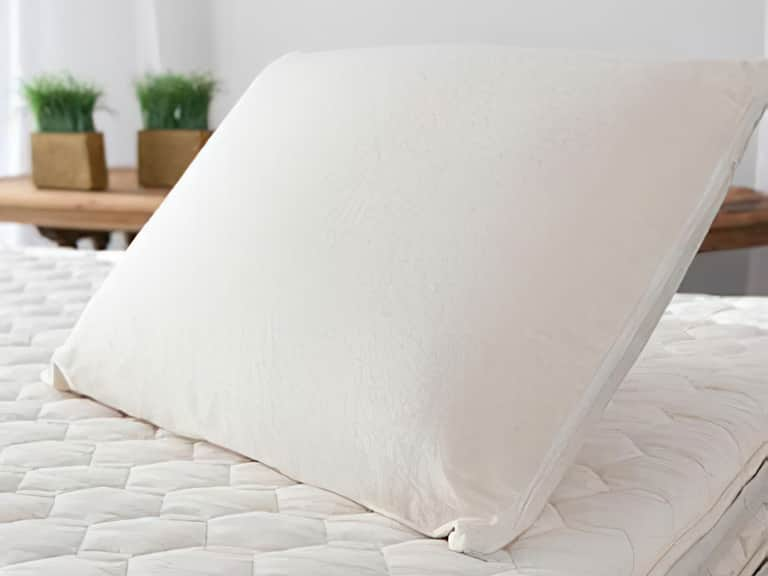
Savvy Rest Organic Latex Soap-Shaped Pillow
Molded latex with hollow channels; ideal for side sleepers.
A pillow that emphasizes breathability and targeted support. Its simple, ergonomic shape helps maintain cervical alignment for side sleepers, reducing strain and improving comfort across sleep cycles.
Price guidance: $149.00. A small but meaningful choice within a sleep-enhancing environment.
Sleep and Beyond Organic Cotton Percale Sheet Set
GOTS-certified; crisp, breathable percale; deep pockets for thick mattresses.
A baseline textile that aligns with breathable comfort and longevity. High-quality percale sheets promote air circulation, helping regulate temperature and contribute to a cooler sleep environment for hot sleepers or warmer climates.
Price guidance: varies by size; a durable foundation for a sleep-friendly room.
In sum, a sleep environment designed with care and evidence yields better nights and clearer mornings. The alignment of lighting, sound, and temperature—not in isolation but as a symphony—offers readers a practical, credible path to improved sleep quality. By embracing the best of bedding design—breathable textiles, adaptable foundations, and thoughtful placement of furniture—we can transform bedrooms from mere sleep spaces into sanctuaries of renewal.